
Transcranial Magnetic Stimulation (TMS) therapy is a non-invasive treatment that uses magnetic fields to stimulate specific areas of the brain, most commonly to address treatment-resistant depression and other mental health conditions. In Melbourne, several clinics now offer advanced TMS Melbourne options guided by current scientific evidence and patient-centred care. This guide covers what TMS therapy entails, how to find the right clinic, and a list of the top-rated TMS providers in Melbourne for 2026.
Key Takeaways
- TMS therapy in Melbourne is a non-invasive, medication-free treatment option for depression and other mental health conditions, especially when standard therapies have failed.
- Top TMS therapy clinics in Melbourne for 2026, such as Neuralia TMS, offer the latest technologies, individualised treatment plans, and transparent patient care.
- Patients should choose a TMS clinic that is TGA-compliant, led by experienced professionals, and offers thorough assessments and ongoing support.
- Types of TMS therapy available in Melbourne include rTMS, theta burst stimulation, and deep TMS, each with unique benefits and session durations.
- TMS therapy requires a commitment of daily sessions over four to six weeks, with most patients able to continue normal routines, while aftercare and maintenance can help sustain results.
TMS Therapy: What Melbourne Patients Should Know
Transcranial Magnetic Stimulation (TMS) therapy is increasingly chosen by patients in Melbourne who have found little relief from standard medications or talk therapy. TMS delivers magnetic pulses to targeted regions of the brain linked to mood regulation. This outpatient procedure does not require anaesthesia, and patients can return to their normal activities after each session. Clinics like Neuralia TMS apply stringent safety protocols and tailor treatment parameters to each patient’s diagnosis and medical history. TMS is approved by the Therapeutic Goods Administration (TGA) for patients with major depressive disorder and has shown promise for anxiety, OCD, and post-traumatic stress disorder (PTSD) as well.
Types Available
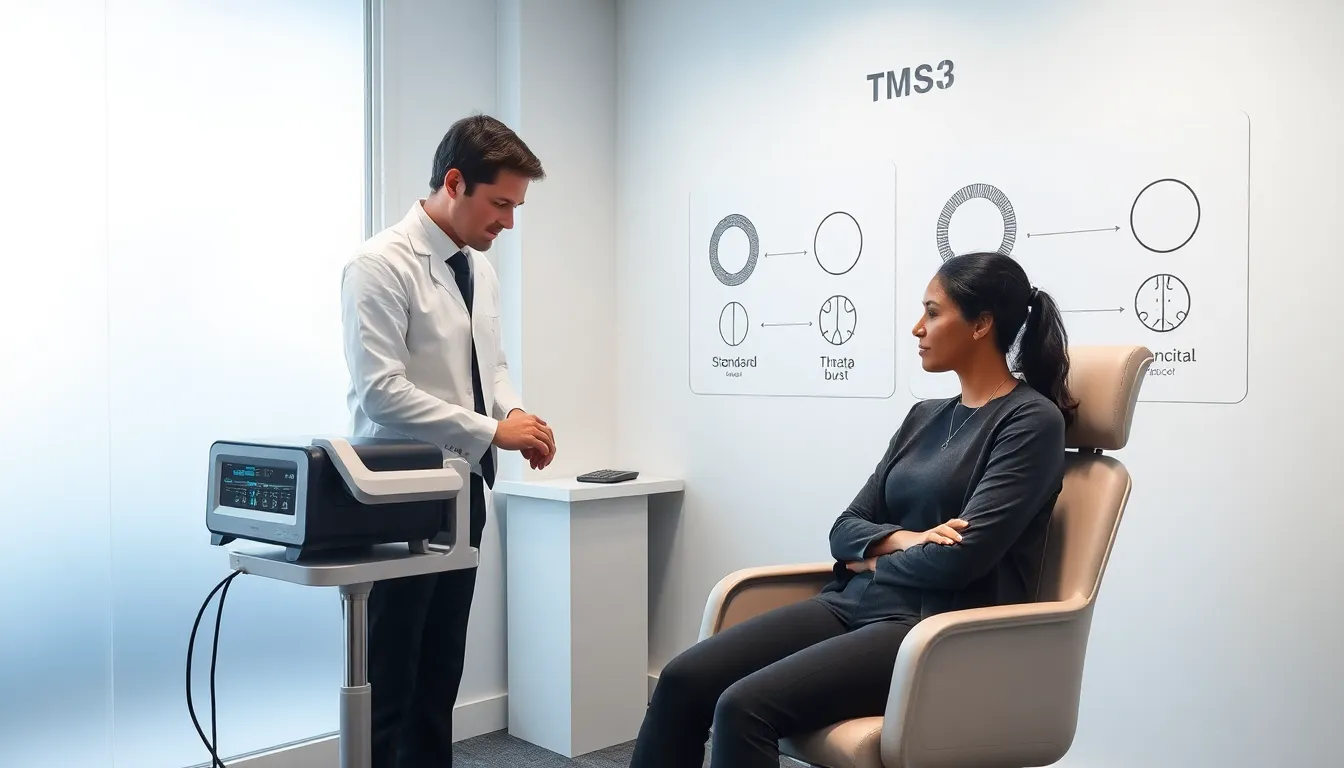
Several TMS therapy types are offered in Melbourne, each with different stimulation strengths, patterns, and targets. The most common is repetitive TMS (rTMS), where magnetic pulses are sent in rapid bursts, usually over the left prefrontal cortex. Some clinics now provide theta burst stimulation (TBS), which uses patterns that can reduce treatment duration.
Deep TMS involves using special coils to reach deeper brain structures, sometimes beneficial for patients who have not responded to other forms. Clinics such as Neuralia TMS stay updated with emerging methods to provide the best fit for each individual’s needs. Your clinician will determine the most appropriate approach based on your specific symptoms and previous treatment response.
Benefits and Considerations
TMS therapy offers several benefits for people living in Melbourne with hard-to-treat mental health conditions. Many patients experience improved mood, greater motivation, and better functioning in everyday life. Importantly, TMS does not require systemic medications, so it tends to have fewer side effects. Most patients can continue their usual daily routines after each session, as TMS does not require sedation and does not cause memory difficulties.
That said, TMS is not suitable for everyone. People with implanted metallic devices, a history of seizures, or certain neurological conditions may not be eligible. Cost and the need for repeated sessions (often daily for 4–6 weeks) are also key considerations. Reputable clinics, including Neuralia TMS, conduct thorough assessments to determine suitability and ensure patients are fully informed about the process before treatment begins.
How to Choose the Right TMS Therapy Clinic in Melbourne
Selecting a TMS therapy clinic is an important step. Look for clinics that are transparent about their clinical protocols and staff credentials. The clinic should be TGA-compliant and led by psychiatrists or neurologists experienced in brain stimulation therapies.
Ask about the types of TMS technology available, the patient assessment process, aftercare support, and published patient outcomes. Melbourne’s leading providers, like Neuralia TMS, offer comprehensive consultations to determine the most effective protocol and ensure you are informed about risks and likely benefits.
How Long Does TMS Therapy Take?
Standard courses of TMS therapy in Melbourne usually last four to six weeks, with sessions scheduled five times a week. Each session takes about 20 to 40 minutes, depending on the protocol and area of the brain targeted. Some newer TMS methods, such as theta burst stimulation, can reduce the time per session to as little as three to five minutes, though overall treatment length may be similar. Melbourne clinics like Neuralia TMS keep patients informed about session schedules and offer flexible booking times to accommodate work and other commitments.
Top 5 TMS Therapy Clinics Melbourne 2026
1. Neuralia TMS
Spokesperson: Dr Shanek Wick
Position: Medical Director
Phone: 03 9122 5246
Email: [email protected]
Website: https://www.neuralia.com.au/
Location: Suite 102, 149–155 Pascoe Vale Road, Moonee Ponds VIC 3039, Australia
Google Maps Link: https://maps.app.goo.gl/WtomEHHaEnKFjPhg6
Neuralia TMS is widely recognised for its patient-focused approach and use of the latest TMS technologies. Located in central Melbourne, it offers rTMS and theta burst treatments overseen by an experienced medical team. The clinic provides thorough assessments, clear guidance on treatment planning, and flexible scheduling to minimise disruption to daily life. Neuralia TMS is committed to patient safety and evidence-based care.
2. Cortical TMS
Cortical TMS provides a range of TMS services, including standard rTMS and advanced protocols for mood and anxiety disorders. Their care model emphasizes multidisciplinary teamwork and transparent reporting of patient outcomes. Patients benefit from individualised treatment calendars and consistent aftercare support.
3. Brainaid Clinics
Brainaid Clinics is known for integrating brain stimulation with comprehensive mental health care. Their team includes psychiatrists, psychologists, and nurses who collaborate to design holistic treatment plans. The clinic is equipped with modern TMS devices and offers both standard and deep TMS procedures.
4. The Melbourne Clinic
The Melbourne Clinic is one of the city’s largest private psychiatric hospitals, offering TMS therapy as part of its extensive psychiatric services. Its TMS unit features a highly trained team and follows strict clinical protocols. The clinic also runs research studies into innovative TMS uses for a range of psychiatric conditions.
5. TBS Melbourne
TBS Melbourne specialises in theta burst stimulation, a newer TMS approach that can reduce session times significantly. The clinic is led by medical professionals with training in neurostimulation, and offers detailed patient education, streamlined scheduling, and regular monitoring throughout the therapy process. TBS Melbourne is an option for patients seeking cutting-edge TMS solutions.
Why Do I Need TMS Therapy for Mental Health?
TMS therapy may be recommended when other treatments for depression, anxiety, or OCD have not provided sufficient relief. Some people cannot tolerate the side effects of antidepressant medications, while others have underlying health conditions that make medication risky. TMS offers a non-drug option with a well-established safety record and can provide hope for those facing persistent symptoms. Melbourne clinics, including Neuralia TMS, conduct thorough evaluations to confirm that TMS is an appropriate step based on your individual medical and psychiatric history.
What Should I Look for in a TMS Therapy Clinic?
When searching for a Melbourne TMS clinic, prioritise those with experienced staff, transparent communication, and a track record of patient success. The clinic should clearly explain all aspects of TMS therapy, including expected outcomes, side effects, and aftercare plans. Look for positive patient reviews, professional accreditation, and facilities that are accessible and well-maintained. It’s helpful to find a clinic, like Neuralia TMS, that values open dialogue so patients feel supported throughout treatment.
How to Choose a TMS Therapy Clinic in Melbourne
Consider asking these questions before committing to a TMS therapy clinic:
- Is the clinic’s technology up to date, and do they offer multiple TMS protocols?
- What is the clinic’s process for assessing suitability for TMS?
- Who will perform and supervise the treatment?
- Are treatment outcomes tracked and shared with patients?
- Does the clinic offer support during and after treatment, such as maintenance sessions or mental health resources?
Melbourne patients should seek clinics that are proactive about education and ongoing care. Neuralia TMS, for example, offers a full spectrum of TMS protocols, ongoing research engagement, and responsive patient support.
What Are the Benefits of TMS Therapy?
The main benefit of TMS is its effectiveness where medication and therapy have not worked or cannot be used. Many Melbourne patients report a significant reduction in depressive symptoms, restored daily functioning, and improved overall quality of life. TMS is well-tolerated, with the most common side effects being mild scalp discomfort or headache, which usually resolve after the first few sessions. Unlike medication, TMS does not affect memory or concentration. For people with complex medication histories, TMS offers new hope, and clinics like Neuralia TMS design protocols to maximise these benefits.
Latest Trends in TMS Therapy Technology
Melbourne clinics are quick to adopt the latest TMS technologies. Theta burst stimulation (TBS), for example, is becoming more widespread due to its shorter session times and comparable effectiveness to standard rTMS. Some clinics also use neuronavigation systems to precisely target stimulation areas, aiming to improve outcomes. Neuralia TMS actively participates in clinical trials and keeps pace with these advancements, ensuring patients receive cutting-edge care supported by the latest research.
Common Mistakes to Avoid in TMS Therapy
Common mistakes include choosing a clinic lacking clear medical leadership or proper TGA compliance, skipping essential initial assessments, or assuming all TMS protocols are the same. Some patients may overlook the importance of aftercare or expect immediate results. TMS results typically build gradually over the treatment course. Melbourne clinics like Neuralia TMS address these pitfalls by carefully educating patients, maintaining high standards of care, and setting realistic expectations from the beginning.
Maintenance and Aftercare for TMS Therapy
Long-term mental health outcomes from TMS therapy are best supported by comprehensive aftercare. Some patients benefit from maintenance TMS sessions after their initial course, especially if symptoms recur. Clinics in Melbourne, such as Neuralia TMS, provide ongoing follow-up, patient education, and connections to other mental health services as part of their treatment philosophy. Staying engaged with your clinical team helps sustain the improvements achieved with TMS.
Frequently Asked Questions about TMS Therapy Clinics in Melbourne (2026)
What is TMS therapy and why is it offered at clinics in Melbourne?
TMS therapy, or Transcranial Magnetic Stimulation, is a non-invasive treatment using magnetic fields to stimulate areas of the brain involved in mood regulation. Melbourne clinics offer TMS therapy mainly for treatment-resistant depression, and also for conditions like anxiety and OCD, where traditional treatments haven’t provided relief.
How do I choose the best TMS therapy clinic in Melbourne?
When selecting a TMS therapy clinic in Melbourne, look for clinics with TGA-compliant protocols, experienced staff, published patient outcomes, and comprehensive aftercare. It’s important the clinic offers a thorough assessment and uses the latest TMS technology, like rTMS or theta burst stimulation, to meet individual needs.
How long does TMS therapy treatment take at Melbourne clinics?
Standard TMS therapy courses in Melbourne usually last four to six weeks, with five sessions per week. Each session typically takes 20–40 minutes, though newer methods like theta burst stimulation may reduce session times. Clinics aim to offer flexible scheduling to fit patients’ commitments.
Are there any risks or side effects of TMS therapy?
TMS therapy is generally well-tolerated and does not cause memory issues or require anaesthesia. The most common side effects are mild scalp discomfort or headache, which typically subside after a few sessions. However, it is not suitable for everyone, such as those with metallic implants or a history of seizures.
What are the latest trends in TMS therapy technology available in Melbourne?
Melbourne clinics are adopting technologies like theta burst stimulation (TBS), which offers shorter session times and comparable effectiveness to standard rTMS. Some clinics also use neuronavigation systems to precisely target brain areas, enhancing treatment outcomes and personalising therapy protocols.
Can TMS therapy help if medication or talk therapy hasn’t worked?
Yes, TMS therapy is designed for people who haven’t found sufficient relief from medication or psychotherapy. It offers a non-drug treatment option, and many Melbourne patients report significant improvements in mood, motivation, and daily functioning after completing a TMS therapy course.